

CNC Machining Aluminum Parts for High-Strength Structural Components
CNC machining aluminum parts has become a cornerstone in modern manufacturing, especially for industries that demand lightweight yet high-strength structural components. From aerospace frames to automotive chassis and industrial machinery, aluminum offers the ideal balance between durability and weight reduction. With computer-controlled precision, manufacturers can achieve tight tolerances and consistent quality across large production batches.
The growing demand for precision engineering has made cnc machining aluminum parts a preferred solution for producing complex structural designs that traditional machining methods cannot easily achieve. CNC technology ensures repeatability, efficiency, and scalability, making it suitable for both prototyping and mass production.
Material Advantages of Aluminum in Structural Applications
Aluminum is widely used in structural components due to its excellent strength-to-weight ratio. When paired with cnc machining aluminum parts processes, manufacturers can fully leverage aluminum’s natural properties, including corrosion resistance and thermal conductivity. This makes it suitable for environments where durability and performance are critical.
Another major advantage is aluminum’s machinability. Compared to other metals, aluminum is easier to cut, shape, and finish, which reduces production time and tool wear. CNC systems further enhance these benefits by delivering precise cuts and smooth finishes that meet strict engineering standards.
- Lightweight yet strong for structural integrity
- Excellent resistance to corrosion and oxidation
- High thermal and electrical conductivity
- Easy to machine with reduced tool wear
- Cost-effective for large-scale production
CNC Machining Processes for High-Strength Aluminum Parts
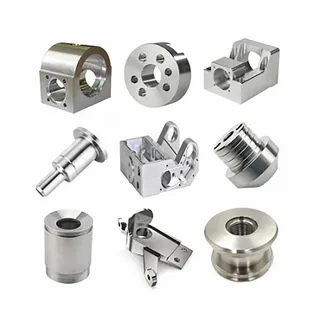
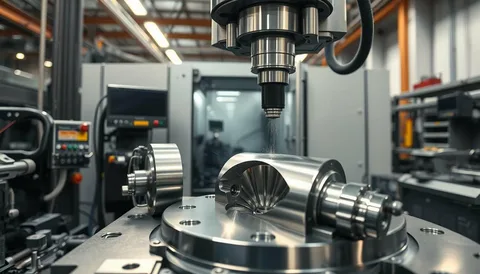
The production of cnc machining aluminum parts involves advanced processes such as milling, turning, drilling, and multi-axis machining. These methods allow manufacturers to create highly detailed structural components with exact specifications. Multi-axis CNC machines are especially useful for producing complex geometries required in aerospace and automotive industries.
Precision programming and CAD/CAM integration play a critical role in ensuring accuracy. Engineers design the part digitally, and CNC machines translate these designs into physical components with minimal deviation. This level of automation improves efficiency and reduces the risk of human error in structural manufacturing.
- 3-axis and 5-axis machining for complex designs
- CNC milling for shaping structural components
- CNC turning for cylindrical aluminum parts
- CAD/CAM software integration for precision control
- Automated production for improved efficiency and consistency
Design Considerations for Structural Aluminum Components
When developing cnc machining aluminum parts for structural applications, design plays a crucial role in ensuring performance and safety. Engineers must consider load distribution, stress points, and material thickness to avoid structural failure. Proper design optimization helps maximize strength while minimizing material usage.
Another important factor is manufacturability. Even though CNC machines can produce complex shapes, designs must still be optimized for efficient machining. Features such as sharp internal corners or extremely thin walls can increase production difficulty and cost.
- Optimize geometry for load-bearing performance
- Maintain balanced wall thickness for strength and stability
- Avoid unnecessary sharp edges and complex internal features
- Consider tool accessibility during machining
- Use lightweight design principles for efficiency
Applications and Benefits in Modern Industries
CNC machining aluminum parts are widely used across industries that require durable and lightweight structural components. In aerospace, they are used in aircraft frames and support structures. In automotive manufacturing, aluminum parts contribute to fuel efficiency and crash resistance. Industrial machinery also benefits from aluminum’s strength and durability.
The use of cnc machining aluminum parts also provides significant economic advantages. Reduced material waste, faster production cycles, and long-term durability make it a cost-effective solution for manufacturers. Additionally, the ability to scale production without sacrificing quality is a major benefit in competitive industries.
Electronics enclosures requiring strength and heat dissipation
Aerospace structural frames and brackets
Automotive chassis and engine components
Industrial machinery housings and supports
Robotics and automation equipment structures