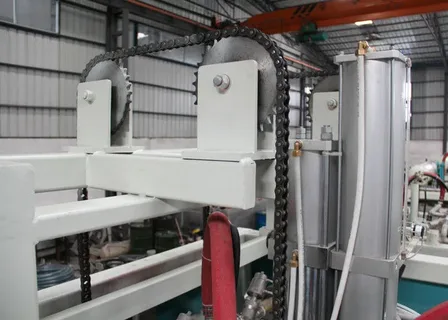


As sustainability continues to shape global manufacturing trends, the demand for eco-friendly packaging solutions is rising rapidly. One of the most significant contributors to this shift is the pulp moulding machine, which enables manufacturers to produce biodegradable and recyclable packaging products. From egg trays to industrial protective packaging, pulp moulding technology is becoming essential for businesses aiming to reduce plastic usage while maintaining cost efficiency.
In 2026, advancements in automation, energy efficiency, and customization have made pulp moulding machines more accessible and versatile than ever. However, choosing the right machine requires careful evaluation of production needs, budget, and long-term business goals. This complete buyer’s guide will help you understand everything you need to know before investing in a pulp moulding machine.
Understanding What a Pulp Moulding Machine Is and How It Works
A pulp moulding machine is industrial equipment designed to convert waste paper, cardboard, or other fibrous materials into molded pulp products. The process typically involves pulping raw materials, forming shapes using molds, drying the products, and then finishing them for final use. This technology supports circular manufacturing by turning recycled materials into valuable packaging solutions.
Modern pulp moulding machines come in various configurations, including manual, semi-automatic, and fully automatic systems. Each type serves different production scales, from small workshops to large industrial plants. Understanding how the machine operates and what components are involved is crucial for buyers who want efficiency, durability, and consistent output quality.
Types of Pulp Moulding Machines Available in 2026
In 2026, buyers can choose from several types of pulp moulding machines based on automation level and product type. Manual machines are suitable for small-scale production and startups due to their lower cost, but they require more labor. Semi-automatic machines offer a balance between affordability and productivity, making them popular among medium-sized manufacturers.
Fully automatic pulp moulding machines are ideal for high-volume production and large enterprises. These machines feature advanced control systems, robotic handling, and energy-efficient drying technologies. They significantly reduce labor costs while increasing consistency and speed, making them a preferred choice for businesses focused on scaling operations.
Key Factors to Consider When Buying a Pulp Moulding Machine
Before purchasing a pulp moulding machine, it is essential to evaluate your production capacity requirements. Consider how many units you need to produce daily, the size and complexity of the products, and the level of automation required. Machines vary widely in output, so aligning capacity with business demand prevents underperformance or unnecessary investment.
Another critical factor is energy consumption and maintenance. Modern pulp moulding machines are designed to be more energy-efficient, but operating costs can still vary depending on drying systems and raw material usage. Buyers should also assess spare part availability, technical support, and warranty options to ensure long-term operational stability.
Applications and Industries Using Pulp Moulding Machines
Pulp moulding machines are widely used across multiple industries, with packaging being the largest segment. Egg trays, fruit trays, cup carriers, and food containers are among the most common products. These items are increasingly preferred due to their biodegradable nature and compliance with environmental regulations.
Beyond food packaging, pulp moulding machines are also used in electronics, healthcare, and industrial sectors. Protective packaging for electronics, medical disposables, and customized industrial inserts are growing applications. This versatility makes investing in a pulp moulding machine a strategic move for businesses targeting diverse markets.
Future Trends and Innovations in Pulp Moulding Machines
The pulp moulding machine industry in 2026 is driven by innovation and sustainability. Manufacturers are integrating smart automation, AI-based quality control, and IoT monitoring systems to improve efficiency and reduce waste. These advancements help operators track performance, predict maintenance needs, and optimize production processes.
Another major trend is the development of energy-efficient drying technologies and multi-layer moulding capabilities. These innovations allow manufacturers to produce stronger, more refined products with lower energy consumption. As environmental regulations tighten worldwide, pulp moulding machines will continue evolving to meet both compliance and consumer expectations.
Final Thoughts
Investing in a pulp moulding machine in 2026 is not just a business decision—it is a commitment to sustainability and future-ready manufacturing. With growing demand for eco-friendly packaging, businesses that adopt this technology early gain a competitive advantage in both local and global markets.
By understanding machine types, evaluating key buying factors, and staying informed about industry trends, buyers can select the right pulp moulding machine for their needs. A well-chosen machine will deliver long-term value, operational efficiency, and a positive environmental impact, making it a smart investment for the years ahead.