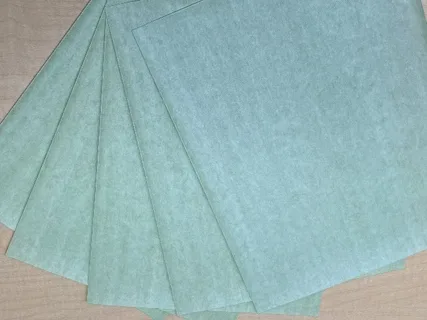


In industries that handle metal products, maintaining product quality during storage and transportation is a top priority. Metals such as silver, copper, brass, and other alloys are highly susceptible to tarnishing when exposed to moisture, sulfur compounds, and environmental contaminants. To address this challenge, many manufacturers and distributors rely on tarnish prevention paper as a reliable packaging solution. This specialized paper helps protect metal surfaces from oxidation and discoloration, ensuring products remain in excellent condition until they reach customers.
Implementing the right practices when using tarnish prevention paper can significantly improve packaging efficiency, reduce product returns, and enhance customer satisfaction. The following best practices will help businesses maximize the benefits of this protective packaging material.
Understanding the Purpose and Benefits of Tarnish Prevention Paper
Before integrating tarnish prevention paper into packaging operations, it is essential to understand how it works and why it is effective. This specialized paper contains protective compounds that create a barrier around metal products, reducing exposure to harmful environmental elements that cause tarnishing.
When properly applied, the paper helps preserve the appearance and functionality of metal components during shipping and long-term storage. Industries such as electronics, jewelry, automotive manufacturing, and metal fabrication frequently use it to maintain product quality and extend shelf life.
Key Benefits
- Protects metal surfaces from oxidation and corrosion.
- Extends product shelf life during storage.
- Reduces customer complaints and product returns.
- Minimizes cleaning and restoration costs.
- Supports professional product presentation.
Selecting the Right Tarnish Prevention Paper for Your Products
Not all metals have the same protection requirements. Choosing the appropriate tarnish prevention paper depends on the type of metal being packaged, storage conditions, and transportation duration. Different paper formulations are designed to protect specific metals, making product compatibility an important consideration.
Packaging managers should evaluate environmental factors such as humidity, temperature fluctuations, and shipping destinations before selecting a solution. Working with experienced suppliers can help identify the most suitable option for a particular application.
Factors to Consider
- Type of metal being packaged.
- Expected storage duration.
- Shipping and transit conditions.
- Environmental exposure risks.
- Packaging size and configuration.
Using the correct paper ensures optimal protection while avoiding unnecessary packaging expenses. A well-matched solution improves operational efficiency and product preservation.
Proper Handling and Application Techniques
The effectiveness of tarnish prevention paper depends heavily on proper handling and application. Employees involved in packaging operations should be trained to use the material correctly to maximize its protective capabilities.
The paper should make direct contact with metal surfaces whenever possible. Wrapping products securely helps create a protective microenvironment that limits exposure to contaminants. Care should also be taken to avoid damaging the paper during handling, as tears or punctures may reduce its effectiveness.
Best Application Practices
- Ensure metal surfaces are clean and dry before packaging.
- Wrap products completely when practical.
- Avoid excessive folding or tearing of the paper.
- Use gloves when handling sensitive metal items.
- Follow manufacturer recommendations for coverage.
Consistent application procedures improve protection levels across all packaged products and help maintain quality standards throughout the supply chain.
Maintaining Proper Storage Conditions for Packaging Materials
Even high-quality tarnish prevention paper can lose effectiveness if it is not stored properly before use. Packaging materials should be kept in clean, dry environments away from direct sunlight, excessive heat, and moisture.
Warehouse managers should establish inventory management practices that rotate stock regularly and prevent aging of packaging materials. Proper storage helps preserve the active protective properties embedded in the paper.
Recommended Storage Guidelines
- Store paper in sealed original packaging.
- Keep materials in climate-controlled areas.
- Avoid exposure to water or high humidity.
- Rotate inventory using first-in, first-out practices.
- Inspect packaging supplies regularly for damage.
By maintaining ideal storage conditions, businesses can ensure their packaging materials deliver consistent performance when needed.
Integrating Tarnish Prevention Paper into Quality Control Programs
To achieve the best results, tarnish prevention paper should be incorporated into broader quality control and packaging management programs. Regular testing and inspection procedures help verify that packaging methods continue to provide adequate protection throughout the production and distribution process.
Quality control teams can periodically evaluate packaged products after storage or transit simulations to identify potential issues. This proactive approach allows businesses to refine packaging methods and maintain high standards of product protection.
Quality Control Measures
- Conduct periodic packaging audits.
- Test packaging performance under real-world conditions.
- Monitor customer feedback related to product appearance.
- Train staff on updated packaging procedures.
- Document packaging standards and compliance requirements.
Continuous monitoring helps organizations identify opportunities for improvement while ensuring products consistently reach customers in excellent condition.
Training Employees for Consistent Packaging Performance
Successful implementation of tarnish prevention paper depends on employee awareness and adherence to established procedures. Packaging staff should understand the importance of corrosion prevention and the role protective paper plays in maintaining product quality.
Regular training sessions can reinforce proper handling methods, storage requirements, and packaging techniques. Well-trained employees are more likely to follow best practices consistently, reducing the risk of packaging errors that may lead to tarnishing.
Employee Training Priorities
- Proper handling of protective materials.
- Metal preparation before packaging.
- Correct wrapping and coverage techniques.
- Storage and inventory management procedures.
- Quality inspection requirements.
Investing in workforce training strengthens packaging operations and contributes to long-term product protection success.
Conclusion
Using tarnish prevention paper effectively is an essential part of modern packaging operations for metal products. By understanding its purpose, selecting the right type of paper, applying it correctly, maintaining proper storage conditions, integrating it into quality control programs, and training employees thoroughly, businesses can significantly reduce tarnishing risks. These best practices not only protect valuable products but also enhance customer satisfaction, minimize returns, and improve overall operational efficiency. As industries continue to prioritize product quality and sustainability, tarnish prevention paper remains a valuable solution for reliable metal protection throughout the supply chain.