
Modern engineering and industrial development relies heavily on precision, speed, and repeatability. One of the most effective ways to achieve all three is through a CNC prototype service, which enables manufacturers and engineers to turn digital designs into highly accurate physical parts. Whether for aerospace, automotive, robotics, or consumer products, CNC prototyping plays a crucial role in reducing development risks and improving product quality.
A reliable CNC prototype service ensures that every design iteration is tested with precision machining before moving into mass production. This helps companies identify design flaws early, improve functionality, and optimize performance without wasting time or resources on full-scale manufacturing.
Importance of CNC Prototype Service in Modern Engineering
A CNC prototype service is essential in modern engineering because it bridges the gap between design and production. Engineers can validate their concepts using real-world materials such as aluminum, steel, plastic, or titanium. This ensures that the final product performs exactly as intended under real operating conditions.
In industrial projects, prototyping reduces uncertainty and provides a clear understanding of how a part will behave in assembly systems or mechanical environments. It also improves communication between design teams and manufacturing units.
Key benefits include:
- Accurate testing of engineering designs before mass production
- Reduction of material waste and production errors
- Faster product development cycles
- Improved communication between design and manufacturing teams
- Ability to test complex geometries and tight tolerances
Precision and Accuracy in CNC Machining
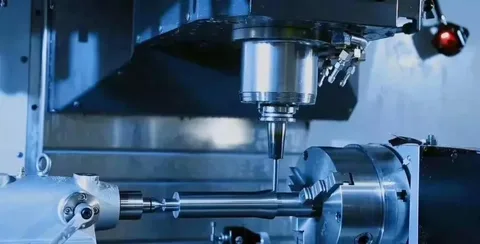
One of the strongest advantages of a CNC prototype service is its unmatched precision. CNC machines are controlled by computer programming, which eliminates human error and ensures consistency in every produced part. This level of accuracy is especially important in industries like aerospace and medical devices.
High-quality prototyping allows engineers to work with extremely tight tolerances, sometimes measured in microns. This ensures that each component fits perfectly within larger mechanical assemblies.
Precision advantages include:
- Extremely tight tolerance control for complex parts
- Consistent repeatability across multiple prototypes
- Reduced risk of assembly failure
- High-quality surface finishes without extensive post-processing
- Capability to machine intricate geometries
When precision is prioritized, engineers can confidently move forward with production knowing that the design has been thoroughly validated.
Speed and Efficiency in Product Development
A reliable CNC prototype service significantly accelerates product development cycles. Instead of waiting weeks for traditional manufacturing methods, CNC machining can produce prototypes within days. This speed allows engineering teams to test multiple iterations quickly.
Faster prototyping leads to quicker decision-making, helping companies stay competitive in fast-moving industries. It also reduces time-to-market, which is crucial for startups and industrial innovators.
Efficiency benefits include:
- Rapid production of prototype parts
- Faster design iteration and testing cycles
- Reduced downtime in product development stages
- Ability to test multiple design variations quickly
- Shortened overall time-to-market
With improved speed and efficiency, businesses can innovate more freely and respond to market demands without delays.
Material Versatility and Industrial Applications
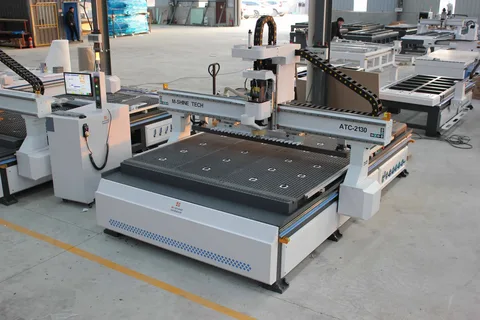
A CNC prototype service offers a wide range of material options, making it suitable for diverse industrial applications. Engineers can choose from metals, plastics, and composite materials depending on performance requirements.
This versatility allows industries such as automotive, aerospace, electronics, and heavy machinery to create prototypes that closely match final production materials. It ensures that testing results are realistic and reliable.
Material and application advantages include:
- Compatibility with aluminum, stainless steel, brass, and titanium
- Use of engineering plastics like ABS, nylon, and PEEK
- Suitable for automotive and aerospace components
- Ideal for industrial machinery parts and tooling
- Supports both functional and aesthetic prototypes
Because of this flexibility, CNC prototyping is widely used across multiple sectors where performance and durability are critical.
Cost-Effectiveness and Risk Reduction
Investing in a CNC prototype service is highly cost-effective compared to correcting errors during mass production. By identifying design flaws early, companies avoid expensive recalls, redesigns, and production delays.
Prototyping also reduces financial risk by ensuring that only validated designs move forward into large-scale manufacturing. This leads to better resource allocation and improved return on investment.
Cost-saving advantages include:
- Early detection of design and engineering flaws
- Reduced waste of expensive raw materials
- Lower risk of production failure
- Fewer redesign and retooling expenses
- Improved efficiency in manufacturing planning
By minimizing risks, CNC prototyping ensures smoother transitions from concept to production.
Conclusion
A reliable CNC prototype service is a vital component in modern engineering and industrial development. It provides unmatched precision, speed, material flexibility, and cost efficiency, making it an essential tool for product designers and manufacturers. By enabling early testing and validation, CNC prototyping reduces risks and ensures that final products meet the highest standards of quality and performance.
As industries continue to demand faster innovation and higher accuracy, CNC prototyping will remain a key driver of successful product development strategies.