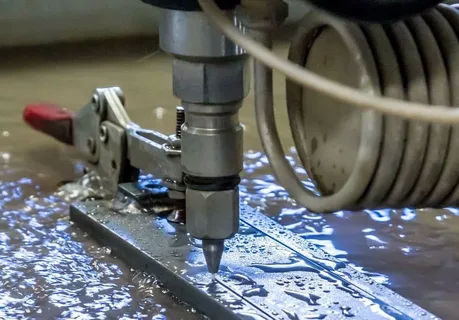
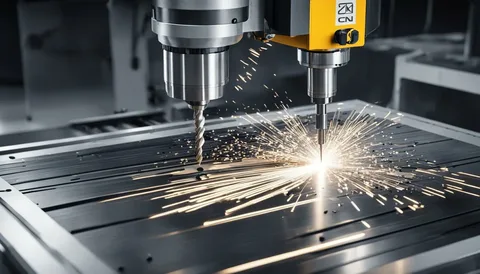
The type of material being processed is one of the most significant factors affecting the overall price of waterjet cutting services. Different materials vary in hardness, thickness, and abrasiveness, which directly influences cutting speed and tool wear. For example, cutting soft materials like rubber or foam is much faster and cheaper compared to cutting hardened steel or thick stone slabs.
Additionally, exotic or specialized materials may require more careful handling and higher precision settings, which increases machine time and operational costs. In waterjet cutting, the machine must adjust pressure and abrasive levels depending on the material, which further impacts total service charges.
- Hard materials (steel, titanium) increase cutting time and cost
- Softer materials (foam, plastic) are more economical
- Exotic alloys require specialized settings and expertise
- Material thickness directly affects processing speed
Thickness and Complexity of the Design
Material thickness plays a crucial role in determining the cost of waterjet cutting services. Thicker materials require more time for the jet stream to pass through completely, leading to increased machine usage and higher operational costs. Thin sheets, on the other hand, can be cut quickly and efficiently.
Design complexity is another important factor. Intricate patterns, tight curves, and detailed geometries require slower cutting speeds and more precise control. In waterjet cutting, complex designs may also involve additional programming and setup time, which adds to the final price.
- Thicker materials increase cutting duration and cost
- Thin sheets reduce production time and expenses
- Complex shapes require slower cutting speeds
- Detailed designs need advanced CNC programming
Machine Operating Costs and Abrasive Usage
The operational cost of waterjet cutting machines significantly influences pricing. These machines use ultra-high-pressure water combined with abrasive particles like garnet to cut through tough materials. Both water pressure systems and abrasive consumption contribute to ongoing expenses.
Abrasive materials are one of the largest recurring costs in the waterjet cutting process. The amount of abrasive used depends on material hardness and thickness. Additionally, maintenance of pumps, nozzles, and cutting heads adds to operational overhead, which is reflected in service pricing.
- High-pressure pumps increase electricity consumption
- Abrasive garnet usage adds recurring material cost
- Nozzle wear requires frequent replacement
- Regular maintenance ensures cutting precision and efficiency
Cutting Speed, Time, and Labor Requirements
Time is a direct cost driver in waterjet cutting services. The slower the cutting speed, the longer the machine must run, increasing electricity usage and labor involvement. High precision jobs often require slower speeds to maintain accuracy and edge quality.
Labor costs also contribute to the overall pricing structure. Skilled operators are needed to program CNC systems, monitor cutting processes, and handle post-processing tasks. In waterjet cutting, human expertise ensures optimal results, especially for complex or high-value projects.
- Slower cutting speeds increase machine runtime costs
- Faster cuts are possible for simple designs and soft materials
- Skilled operators are required for precision work
- Longer production times increase labor expenses
Setup, Programming, and Customization Costs
Setup and programming are essential steps in waterjet cutting that influence total project cost. Before cutting begins, operators must create or load CAD designs, optimize tool paths, and configure machine settings. This preparation time is especially important for custom or one-off projects.
Customization requirements can also increase pricing. Unique shapes, prototypes, or small production runs often require additional programming effort compared to mass production jobs. In waterjet cutting, even small design changes can require reprogramming and recalibration of the machine.
- CAD programming increases initial setup time
- Custom designs require specialized tool path creation
- Prototype jobs are more expensive per unit
- Recalibration may be needed for design changes
Conclusion
The cost of waterjet cutting services is influenced by multiple interconnected factors, including material type, thickness, design complexity, machine operation, abrasive usage, labor, and setup requirements. Each element plays a role in determining the final price, making it essential for businesses to understand how these variables interact.
By optimizing material selection, simplifying designs where possible, and planning production efficiently, companies can better control expenses while still achieving high-precision results. Ultimately, waterjet cutting remains a highly versatile and valuable manufacturing method, offering accuracy and flexibility that often justify its cost across a wide range of industrial applications.